Causes of Persistent Tiredness and How Blood Tests Can Help
Everyone feels worn out now and then, but persistent tiredness goes beyond an occasional sleepless night. It’s a deep-seated sense of low energy, reduced motivation and mental fog that doesn’t improve with rest.
Understanding what drives your fatigue is the first step toward reclaiming your vitality.

This guide explores lifestyle factors that drain your energy, underlying health issues that could be hiding in your blood and simple changes that can help you feel more alert.
While the causes range from sleep habits to medical conditions, many are detectable through routine blood testing, which is why it’s so important not to ignore lasting fatigue.
What Counts as Persistent Fatigue?
Persistent tiredness often shows up in several ways, not just feeling sleepy.
Feeling exhausted most days for several weeks, even after a full night’s sleep.
Having low energy that makes everyday tasks or exercise feel unusually hard.
Difficulty concentrating, brain fog or slowed thinking.
Mood changes such as irritability, low motivation or loss of interest in activities.
Physical signs like muscle weakness, heavy limbs or feeling “run down.”
Lifestyle Factors That Drain Your Energy
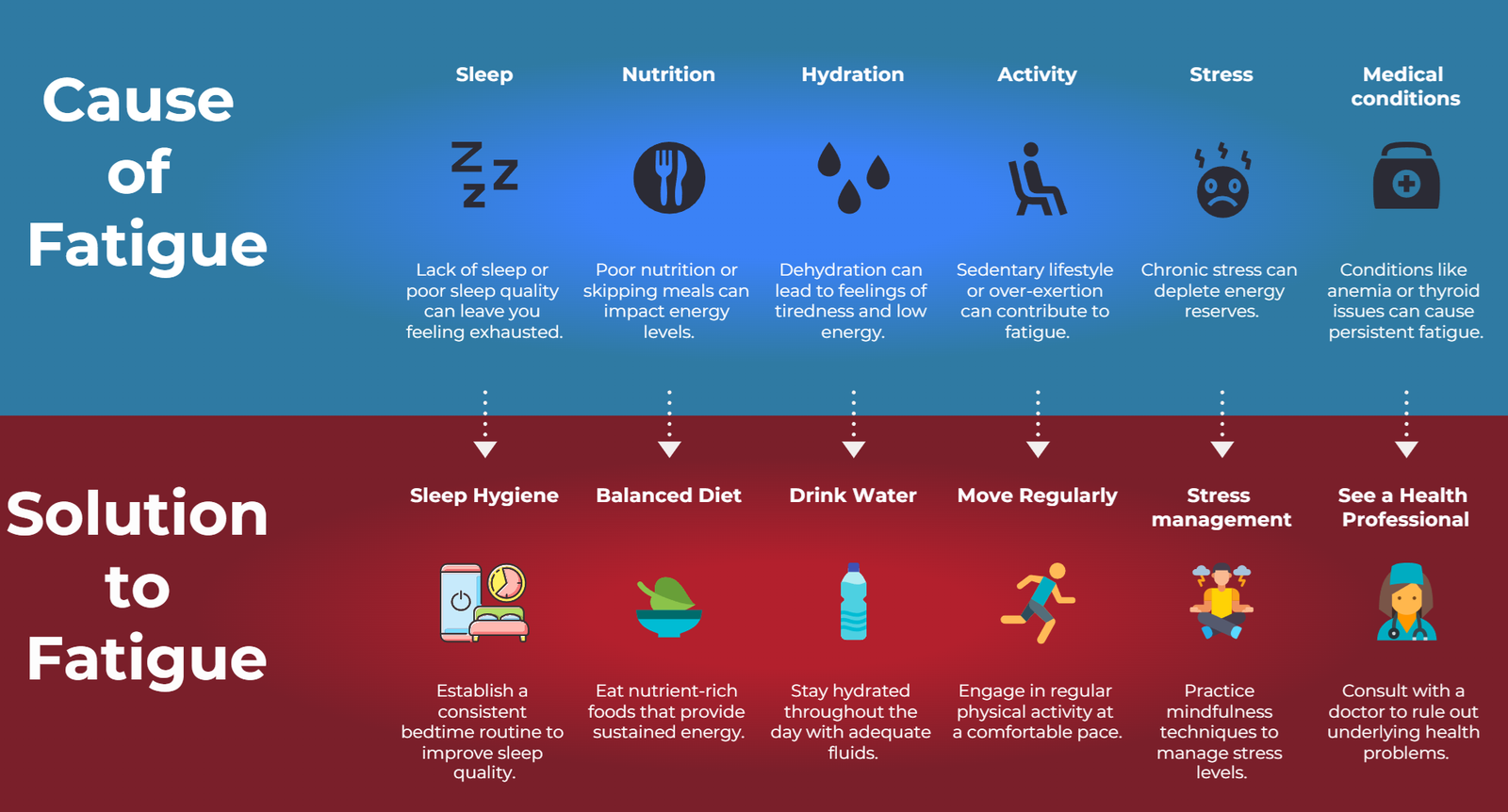
Everyday habits can quietly chip away at your energy levels over time.
Not getting enough high-quality sleep
Sleep is the time when your body releases growth hormones and repairs tissues, so cutting corners leaves you depleted. Adults generally need at least seven hours of quality sleep per night. Insomnia, irregular schedules and poor sleep environments prevent restorative sleep and can contribute to chronic fatigue.
Poor diet and nutrient deficiencies
A diet lacking in essential nutrients — especially iron, B vitamins, vitamin D, vitamin C and magnesium — can lead to constant tiredness because these nutrients support red blood cell production and energy metabolism. Diets high in processed foods and added sugars may cause blood sugar spikes and crashes, leaving you drained.
Dehydration and inadequate fluid intake
Water is involved in countless biochemical reactions. When you don’t drink enough to replace what you lose through sweat, breath and urine, the result can be low energy and difficulty concentrating. Hydration needs vary by individual, but thirst, headaches and dizziness are telltale signs you need more fluids.
Too little — or too much — physical activity
A sedentary lifestyle slows circulation and oxygen delivery to your muscles and brain, while excessive training without adequate recovery can also exhaust you. Gentle, regular movement such as walking, swimming or yoga can boost energy levels by improving cardiovascular health and releasing endorphins.
Weight extremes and meal patterns
Being overweight or underweight forces your body to work harder or deprives it of muscle mass, either of which can make fatigue worse. Skipping meals or eating erratically causes blood sugar highs and lows that sap energy. Focus on balanced meals with protein, healthy fats and complex carbohydrates to fuel you steadily throughout the day.
Caffeine, alcohol and shift patterns
While a cup of coffee can feel like a quick fix, relying on large amounts of caffeine disrupts your sleep cycle and may make you even more tired the next day. Alcohol interferes with the quality of your sleep, and irregular schedules, night shifts or long daytime naps can upset your circadian rhythm. Moderating stimulants and keeping a consistent sleep-wake schedule support better energy.
Stress and mental health
Chronic stress triggers hormonal changes and inflammation that sap energy. Emotional shocks, anxiety and depression are common causes of fatigue because they often disrupt sleep and diminish motivation. Practices such as meditation, mindfulness and talking therapies can help manage stress and improve mood.
Underlying Medical Causes Your Blood Test May Reveal
Blood testing can help uncover hidden imbalances linked to ongoing tiredness.
Iron-deficiency anaemia
Low levels of iron reduce your body’s ability to carry oxygen, leading to fatigue, shortness of breath and dizziness. A complete blood count and ferritin test can detect anaemia and guide treatment.
Thyroid disorders
Both underactive (hypothyroidism) and overactive (hyperthyroidism) thyroid glands disrupt metabolism and energy production. Symptoms often include weight changes, mood shifts and persistent fatigue. Thyroid panels measure hormones like TSH, T3 and T4 to diagnose these conditions.
Vitamin D, B12 and folate deficiencies
Vitamin D supports immune and muscle function and low levels are common in the UK. B12 and folate help form healthy red blood cells and are essential for nerve health. Deficiencies in these vitamins can cause tiredness, numbness and low mood. Blood tests can quickly identify and correct these imbalances.
Blood sugar and metabolic issues
Insulin resistance and diabetes cause erratic blood sugar levels, resulting in energy crashes and persistent tiredness. HbA1c and fasting glucose tests can reveal whether your body is managing blood sugar effectively.
Hormonal imbalances
Changes in hormones such as testosterone, cortisol and reproductive hormones can affect energy, mood and sleep. If fatigue is accompanied by weight gain, mood swings or changes in libido, your healthcare provider may recommend hormone panels.
Chronic diseases, infections and mental health conditions
Fatigue is a symptom of many disorders, including chronic infections, autoimmune diseases, kidney or liver disease, cardiovascular issues, sleep apnoea and mental health conditions like depression and anxiety. Comprehensive blood work and further evaluation help rule out these underlying causes.
Simple Changes That Can Improve Your Energy
Small daily changes can make a meaningful difference to how you feel.
Support healthy sleep
Go to bed and wake up at the same time every day, create a dark and cool sleep environment and limit screen exposure in the evening.
Eat balanced meals
Focus on proteins, healthy fats and complex carbohydrates while limiting added sugars and ultra-processed foods. Include plenty of fruits, vegetables, whole grains and lean proteins.
Stay hydrated
Carry a water bottle and drink regularly throughout the day. Thirst, headaches and dizziness are signals you need more fluids.
Move your body
Incorporate moderate exercise such as brisk walking, swimming or cycling. Even short bursts of activity can boost circulation and energy levels.
Manage stress
Techniques like yoga, meditation, deep breathing and mindfulness can reduce stress hormones and improve your sense of wellbeing.
Moderate caffeine and alcohol
Enjoy coffee and tea in moderation and avoid high-sugar energy drinks. Limit alcohol to the recommended guidelines and avoid drinking close to bedtime.
How Blood Tests Can Help
If lifestyle adjustments don’t resolve your fatigue within a few weeks, it’s important to speak with a healthcare professional. A targeted blood test can quickly identify or rule out many common causes of tiredness, including anaemia, thyroid disorders, vitamin deficiencies and blood sugar issues.
At Origin Bloods, our comprehensive panels measure key biomarkers linked to energy, metabolism and hormonal balance. By uncovering hidden imbalances, these tests provide clear guidance on the next steps to restore your vitality.